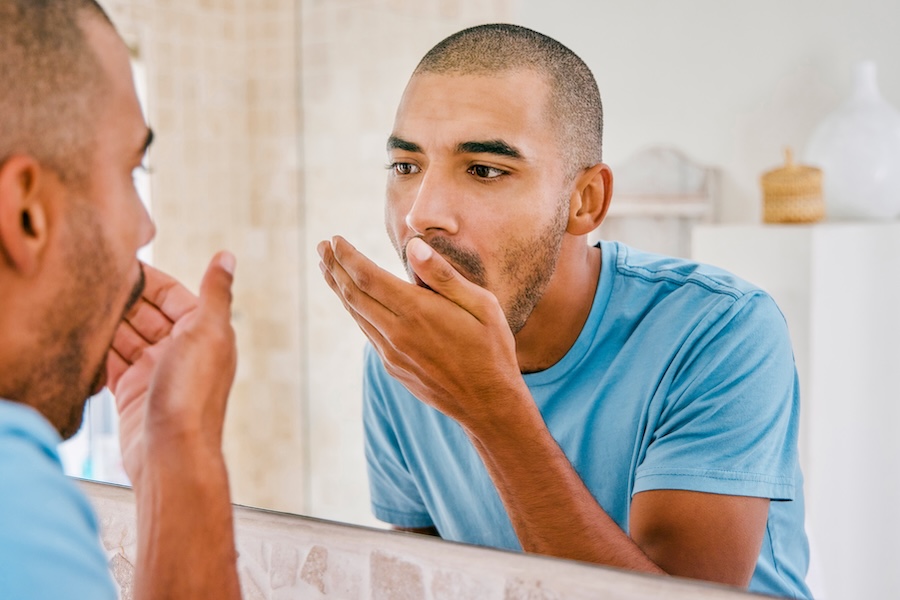
How Damaged Dental Restorations Cause Bad Breath
October 6, 2026 9:00 amIf bad breath or an unpleasant taste keeps coming back after you brush, an old filling, crown, or bridge may be part of the problem. When dental work chips or loosens, food and bacteria can settle into spaces that are hard to clean. As bacteria break down what collects there, they produce odors—so you may find yourself reaching for a mint even though you just brushed.
You might also notice that dinner keeps getting caught beside the same crown or that floss no longer slides through as easily. At Riverstone Dental Care in Canton, Georgia, Dr. Ruximar Linkous, Dr. Curtis Guest, Dr. Alex Mehraban, and our team can check that spot. We can explain how those changes connect to the taste or odor you have noticed and what would help.
How a Small Gap Can Lead to Bad Breath
A crown or filling should fit closely against the natural tooth. Over time, however, an edge can chip or a crown can loosen, opening a space that catches food. You may clear out the larger pieces with floss while smaller bits and plaque remain tucked along the edge.
Plaque is a sticky layer of bacteria, also called a biofilm. Some bacteria produce odors as they break down food and other material in your mouth. Because brushing may not reach the space around damaged dental work, the unpleasant taste can return shortly after you clean your teeth.
Meanwhile, the gum beside that spot may swell or bleed. You might notice an unpleasant smell on the floss, then realize it happens whenever you clean that particular tooth. If a damaged edge is trapping the buildup, repairing it can make the area easier to keep clean.
When Food Keeps Catching After Meals
Perhaps you first notice the problem with meat getting stuck beside a back crown. Before long, you are keeping floss in your desk drawer because lunch leaves food in the same place. If the contact—the point where neighboring teeth touch—has opened up, food can pack down against the gum each time you chew.
After a while, that gum may become sore. Then flossing hurts, so you start avoiding the spot, allowing food and plaque to keep collecting. We can help you clean it gently and check whether a chipped edge or changed contact needs repair.
Sometimes teeth shift or changes in the gums and supporting bone create the space. In that case, the crown may still fit its tooth well even though food now catches beside it. We can explain whether adjusting the contact, repairing the dental work, or treating the nearby gums would help.
When Floss Shreds or a Crown Feels Loose
If you pull out frayed floss every time you clean one tooth, a rough filling or crown edge may be catching it. Your tongue may keep finding that edge throughout the day. A small rough spot may need smoothing, while a broken section may need repair or replacement.
A loose crown can feel different when you chew something firm or sticky. As the seal breaks down, food and bacteria may collect underneath, contributing to an unpleasant taste. If you notice movement, contact us and avoid repeatedly biting down to see whether it still moves.
If the crown comes off, save it and bring it with you. Until your appointment, clean the tooth gently and avoid chewing directly on it. We may be able to reattach the crown if it still fits and the tooth underneath remains sound; never use household glue to put it back.
Decay Can Hide Around Dental Work
A crown or filling covers part of a tooth, but the remaining natural tooth can still develop a cavity. When plaque collects around an edge, acids from the bacteria can damage the tooth beside it. If the seal has loosened, bacteria may also reach underneath.
You might notice a quick sting with cold water or sweets, although some decay develops without hurting. We examine the tooth and use X-rays when needed to check areas we cannot see directly. Sometimes we need to remove the old filling or crown before we can see how much healthy tooth remains.
From there, we can go over the repair. A smaller damaged area may allow a repair, while more extensive decay may call for a new filling or crown. If decay reaches the soft tissue inside the tooth, where the nerves and blood vessels are, root canal treatment may be needed before we rebuild it.
Bridges Need Cleaning Underneath
A bridge can feel smooth and clean after brushing while food remains underneath its replacement tooth. Because the bridge sections connect, you cannot pass floss between them the way you would between separate teeth. Instead, you need to guide a cleaning tool beneath the bridge and around its supports.
That can take some practice, particularly toward the back of your mouth. A floss threader helps guide floss underneath, while a small brush made for cleaning between teeth may fit certain spaces. If you have been trying without much success, bring that up so we can demonstrate it and let you practice.
However, if a technique that used to work suddenly becomes difficult, have us check the bridge. The gums may have changed, or a supporting tooth or part of the bridge may need care. We can check what is making access harder before you keep pushing a tool into a tender spot.
Other Areas Can Add to the Odor
While damaged dental work can trap bacteria, the gums may contribute even around a crown that fits well. Gum disease can create deeper spaces where bacterial deposits collect beneath the gumline. We check for bleeding and measure those spaces to see whether they need periodontal care.
Bacteria can also collect on the tongue, including farther back where you may not usually clean. Gentle tongue cleaning helps remove that buildup. If you brush and floss regularly but overlook your tongue, we can show you how to include it without scrubbing hard.
Meanwhile, dry mouth leaves you with less saliva to wash away food and other material. You may wake up with a stale taste or find yourself using mints throughout the workday. Mention frequent dryness and medication changes so we can discuss what may be contributing.
If we cannot find a dental cause, we may suggest medical follow-up. Sinus problems, reflux, and other conditions can sometimes affect breath. We can explain when your symptoms need another clinician’s evaluation.
What to Do Before Your Appointment
Keep brushing twice daily with fluoride toothpaste and cleaning between teeth gently. As you clean, notice where food catches and whether the floss shreds or gets stuck. Let us know how long it has been happening and whether the tooth has started feeling sensitive.
In the meantime, avoid digging around dental work with a sharp object. Mouthwash may freshen your breath briefly, but it cannot repair an edge or close a gap that traps food. Contact us sooner if you develop increasing pain, swelling, or movement in a filling or crown.
Have Us Check the Spot That Keeps Bothering You
If you keep flossing food out of the same place or reaching for a mint after brushing, schedule a visit with us at Riverstone Dental Care in Canton, Georgia. Point out the crown that feels different at dinner or the edge your tongue keeps finding. We can check the tooth and nearby gums, then explain what is causing the trouble.
Dr. Linkous, Dr. Guest, Dr. Mehraban, and our team can go over any recommended repair and help you clean around your dental work. If reaching beneath a bridge has been frustrating, we can work through that with you during the visit. Let’s get that spot feeling cleaner and more comfortable again!
Categorised in: Oral Hygiene, Restorative Dental Care