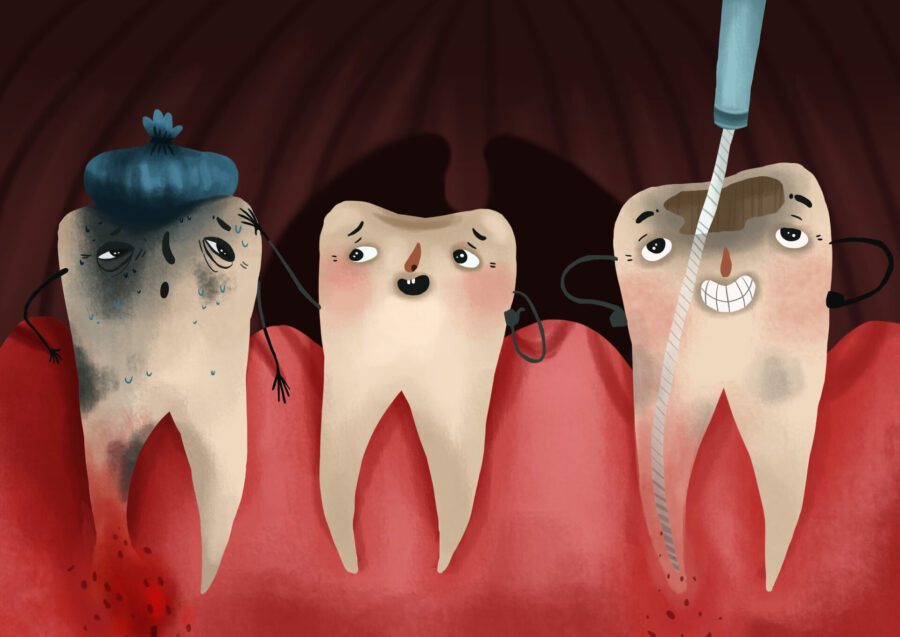
The Long‑Term Benefits of a Root Canal Over an Extraction
December 12, 2025 9:00 amWhen a tooth becomes infected or severely damaged, the first treatment options many people think of are either saving the tooth with a root canal or removing it altogether with an extraction. At Riverstone Dental Care in Canton, GA, patients often ask: “Is a root canal better than pulling the tooth out?”
While every situation is unique, there are many long‑term benefits to choosing a root canal when the tooth can be saved. In this article, we’ll unpack why saving your natural tooth often leads to better oral health, improved function, and fewer complications down the road — all explained in a way that feels clear and reassuring.
What Happens During a Root Canal?
Before we discuss the benefits, it helps to understand what a root canal actually is.
Inside every tooth is a soft tissue called the pulp, which contains nerves, blood vessels, and connective tissue. When that pulp becomes infected — due to deep decay, a crack, or trauma — a root canal removes the damaged tissue, cleans the canals inside the tooth, and seals it to prevent reinfection.
The tooth is then typically restored with a crown to protect it and restore full function. The result is a tooth that can remain in your mouth comfortably for many years.
Why Save the Tooth Instead of Removing It?
Choosing to save a tooth with a root canal instead of extracting it may seem like more effort upfront — but the long‑term benefits often outweigh the short‑term convenience of removal.
- Changes in your bite alignment
- Excessive wear on other teeth
- Difficulty chewing evenly
- Strain on your jaw joints
- Bone density in the jaw
- Normal gum contour
- A youthful facial profile
- Dental implants
- Bridges
- Partial dentures
1. Natural Teeth Preserve Bite and Jaw Alignment
Your natural teeth are uniquely shaped to work together as a team. Each tooth helps guide your bite and supports neighboring teeth. When a tooth is removed, the surrounding teeth can begin to shift into the empty space. This shift can lead to:
By keeping your natural tooth, you maintain the natural balance of your bite — which supports long‑term oral function and comfort.
2. Root Canals Maintain Bone and Gum Health
When a tooth is extracted, the bone that once supported it begins to resorb (break down) over time. This bone loss doesn’t just affect the extraction site — it can also influence the shape of your jaw and facial features over many years.
A root canal preserves the root and helps maintain:
Maintaining the natural structure of your mouth helps preserve your overall oral stability and appearance.
3. Function Stays Strong — Without Compromise
A root‑canaled tooth can function just like any other tooth. Once restored with a crown or protective restoration, it can handle chewing, biting, and everyday use without pain or limitation.
By contrast, even if a replacement (such as a bridge or dental implant) restores a missing tooth, it still doesn’t fully replicate the feel and function of the original. Root canal therapy allows you to keep your natural tooth performing the way it was designed.
4. No Need for Replacement Treatment
When a tooth is extracted, replacement becomes necessary to avoid bite and alignment issues. Replacements might include:
These are excellent options when a tooth cannot be saved — but they also require additional treatment, time, and cost. By contrast, a successful root canal with a good restoration eliminates the need for further replacements — and the maintenance that comes with them.
5. Root Canals Are Predictable and Long‑Lasting
Thanks to modern dental techniques and materials, root canals have a high success rate. With proper care — including regular brushing, flossing, and routine dental visits — a treated tooth can last many years, often decades. Many Riverstone Dental patients enjoy healthy, functional root‑canaled teeth throughout their lives.
If an extraction becomes necessary later due to a new injury or decay in another area, we can address that at that time. But starting with the most conservative, long‑term solution often leads to better outcomes.
When Might Extraction Be the Better Choice?
While root canals are often the best option for saving a tooth, there are situations where extraction makes sense — such as:
- A tooth with structural damage beyond repair
- Extensive bone loss or advanced periodontal disease
- A tooth that has failed multiple attempts at successful restoration
In these cases, your Riverstone Dental care team — Dr. Linkous, Dr. Guest, or Dr. Mehraban — will guide you through alternative plans that prioritize your comfort, oral health, and long‑term function.
Root Canal Therapy at Riverstone Dental Care
At Riverstone Dental Care in Canton, GA, we don’t believe in one‑size‑fits‑all dentistry. Every tooth has a story, and every treatment decision deserves thoughtful consideration. That’s why our team takes the time to assess your dental health, explain your options clearly, and help you choose the treatment path that supports your smile now and well into the future.
If you’re experiencing tooth pain, infection, or have been told you may need an extraction, we’re happy to provide a second opinion. Schedule a consultation today with Dr. Ruximar Linkous, Dr. Curtis Guest, or Dr. Alex Mehraban — and let’s talk about preserving your smile, one tooth at a time.
Image from Authority Dental under CC 2.0
Categorised in: Root Canal Therapy, Tooth Extractions