What Are the Different Types of Jaw Clenching?
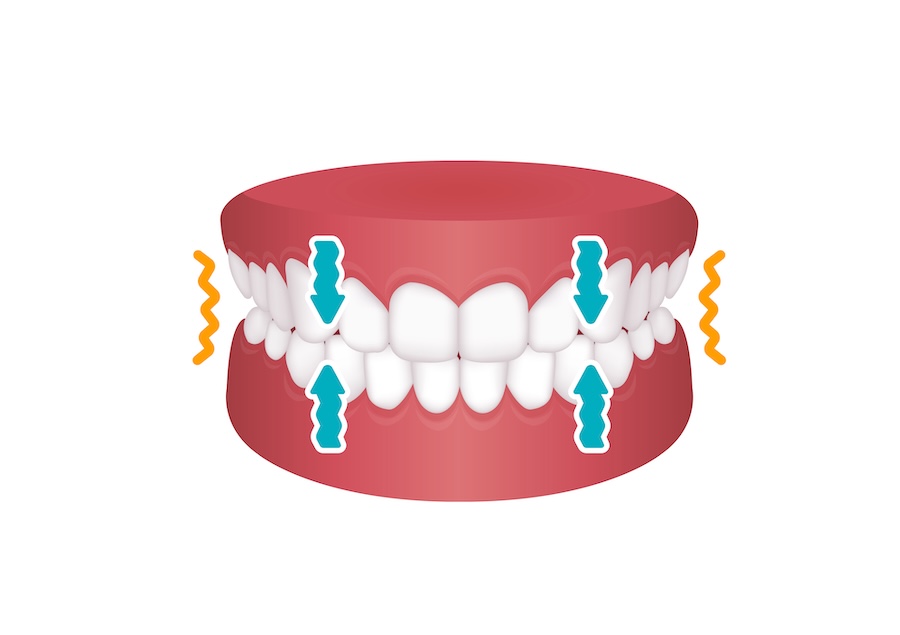
May 18, 2026 9:00 amJaw clenching can be easy to miss because it does not always look like grinding. You may not hear anything, and your teeth may not move back and forth. Instead, the jaw simply locks into pressure, sometimes for seconds, sometimes for minutes, and often without you realizing it until your face feels tired or your teeth feel sore.
For some people, clenching happens during sleep. For others, it shows up during the day while working, driving, exercising, concentrating, or dealing with stress. It can also happen in short bursts or become a steady habit that builds over time. Because the patterns can look different from person to person, understanding the type of clenching you have can help your dentist recommend the right next step.
At Riverstone Dental Care in Canton, GA, Dr. Ruximar Linkous, Dr. Curtis Guest, and Dr. Alex Mehraban help patients identify signs of jaw clenching and how it may be affecting their teeth, jaw joints, muscles, and overall comfort. The goal is not just to stop the symptoms for a day or two, but to understand what is driving the pressure and how to protect your mouth long term.
Daytime Jaw Clenching
Daytime jaw clenching often happens when you are focused on something else. You may be working at a computer, sitting in traffic, lifting weights, reading, cooking, or trying to get through a busy stretch of the day. Because your attention is elsewhere, you may not notice that your teeth are pressed together until your jaw feels tight.
This type of clenching is often tied to concentration, posture, stress, or habit. Some people clench while thinking through a problem. Others do it when they are rushing, tense, or trying to stay composed. It can also happen during screen time, especially if your shoulders are raised, your neck is tight, and your jaw is held in one position for too long.
A helpful clue is how your jaw feels later in the day. If your jaw, temples, or cheeks feel tired by afternoon or evening, daytime clenching may be part of the issue. You may also notice tooth tenderness, headaches, or a habit of holding your tongue or jaw tightly.
Unlike sleep clenching, daytime clenching can often improve with awareness and habit changes. Your dentist may talk with you about resting jaw position, reminders to keep teeth apart, posture, and ways to reduce pressure throughout the day. In some cases, dental treatment is also needed if clenching has already caused tooth wear, cracks, or bite changes.
Sleep Clenching
Sleep clenching happens while you are asleep, which means you may have no idea it is happening. Many people only find out because they wake up with jaw soreness, headaches, sensitive teeth, or a tired feeling in the face. Others learn about it when their dentist sees wear patterns, small cracks, or signs of heavy bite pressure during an exam.
This type of clenching can be especially hard on the teeth because you cannot consciously stop it in the moment. The jaw muscles can generate strong force during sleep, and that pressure may continue night after night. Over time, it can contribute to enamel wear, chipped teeth, cracked fillings, sore muscles, and irritated jaw joints.
Sleep clenching may be linked to stress, sleep quality, airway issues, certain medications, alcohol use, or other factors. Sometimes it overlaps with grinding, but not always. Some patients clench tightly without making the side-to-side movement people associate with teeth grinding.
A custom nightguard is often recommended when sleep clenching is damaging the teeth or causing symptoms. The nightguard does not necessarily stop the muscles from clenching, but it helps protect the teeth from direct pressure and wear. Depending on your symptoms, your dentist may also ask about sleep habits, snoring, jaw pain, or morning headaches.
Stress-Related Clenching
Stress-related clenching can happen during the day, at night, or both. It is not always tied to a single stressful event. Sometimes it builds during long seasons of pressure, such as work deadlines, family responsibilities, major life changes, financial strain, or poor sleep.
When stress is involved, the body may hold tension in the jaw without much warning. The teeth press together, the jaw muscles stay active, and the face may feel tight or tired. Some people also notice neck and shoulder tension, which can make jaw discomfort feel worse.
This type of clenching can create a frustrating cycle. Stress increases jaw tension, jaw tension causes pain or headaches, and the discomfort adds another layer of stress. Because of that, treatment often needs to address both the dental effects and the muscle habits behind them.
At Riverstone Dental Care, the team can check for signs that stress-related clenching is affecting your teeth. If there is wear, cracking, sensitivity, or muscle soreness, a nightguard or bite evaluation may be recommended. It can also help to build small awareness habits during the day, such as relaxing the jaw, keeping the teeth slightly apart, and taking short breaks from clenched posture.
Concentration Clenching
Concentration clenching is common and often overlooked. It happens when your brain is focused, but your jaw joins in as if it is helping. You may clench while writing emails, studying, driving through heavy traffic, sewing, gaming, doing detailed work, or completing a task that requires focus.
This type of clenching does not always feel emotional. You may not feel stressed or upset. Instead, your jaw simply tightens while you concentrate. Over time, that repeated pressure can still affect the teeth and muscles, even if the trigger is not obvious.
A clue is whether you catch yourself with your teeth touching during routine tasks. In a relaxed position, your teeth should usually be slightly apart, with your lips closed and jaw muscles at rest. If your teeth are often pressed together while you work or focus, concentration clenching may be part of your daily pattern.
The good news is that this type of clenching can often improve with awareness. Simple reminders can help, such as a note near your computer, a phone reminder, or checking your jaw position when you pause between tasks. If the habit has already caused tooth wear or soreness, your dentist can evaluate whether additional protection is needed.
Exercise-Related Clenching
Some people clench their jaw while lifting weights, running, cycling, or doing high-intensity workouts. This can happen because the body naturally braces during effort. When you push through a hard movement, your jaw may tighten along with your core, shoulders, and neck.
Exercise-related clenching is not always a problem, but it can become one if the pressure is frequent or intense. Heavy clenching during workouts can contribute to tooth soreness, jaw tightness, headaches, and wear on dental work. It may also put extra stress on the jaw joints.
You may notice this pattern if your jaw feels tired after workouts or if you catch yourself biting down during difficult sets. Some people also clench while holding their breath, which can increase overall tension in the face and neck.
If this sounds familiar, pay attention to your breathing and jaw position during exercise. Keeping the teeth slightly apart when possible and avoiding prolonged bracing through the jaw can help. If you use a sports mouthguard for contact sports, that is a separate type of protection. For clenching-related damage, your dentist can help determine whether a custom appliance is appropriate.
Medication-Related Clenching
Certain medications may contribute to jaw clenching or grinding in some patients. This does not mean everyone who takes these medications will have symptoms, and it does not mean you should stop taking anything without speaking with your prescribing provider. However, if jaw clenching started or worsened after a medication change, it is worth mentioning.
Some patients report clenching with certain antidepressants, stimulants, or medications that affect the nervous system. Caffeine, nicotine, and some recreational substances may also increase muscle tension or make clenching worse. Again, the connection varies from person to person.
The important step is to look at timing. If your jaw symptoms began around the same time as a new medication, dose change, or lifestyle change, tell your dentist and your medical provider. That information can help guide the conversation.
Your dentist can help manage the dental effects, such as tooth wear, muscle soreness, or cracked restorations. Your physician or prescribing provider can discuss whether the medication may be playing a role and whether any changes are appropriate.
Clenching Linked to Bite Imbalance
Sometimes jaw clenching is related to how the teeth come together. If the bite feels uneven, if one tooth hits first, or if a filling or crown is slightly high, the jaw may respond by clenching or shifting to find a more comfortable position.
This can create soreness in one area or make certain teeth feel tender. You may feel like you cannot find a comfortable place to rest your jaw. You may also notice that one side feels more worked than the other when chewing.
A bite imbalance does not always cause clenching by itself, but it can contribute to muscle tension or make existing clenching more noticeable. If the bite is part of the issue, a dental exam can help identify high spots, worn areas, or uneven pressure.
Treatment depends on the cause. Sometimes a small bite adjustment can help. Other times, a restoration may need to be reshaped, replaced, or evaluated more closely. If clenching has caused broader wear, your dentist may discuss a more comprehensive plan to protect the teeth.
Jaw Clenching With TMJ Symptoms
The temporomandibular joints, often called TMJ, connect your jaw to your skull. When clenching places repeated pressure on the muscles and joints, some patients develop TMJ-related symptoms. These may include jaw clicking, popping, soreness, stiffness, headaches, ear-area discomfort, or trouble opening comfortably.
Not every click or pop means something serious is happening. However, when joint sounds come with pain, limited movement, or frequent muscle tension, it is worth having the jaw evaluated. Clenching can irritate the joint area and make symptoms more persistent.
This type of clenching may need a broader approach. Your dentist may look at your bite, tooth wear, muscle tenderness, jaw movement, and symptoms. A nightguard may be recommended if nighttime pressure is contributing. In some cases, jaw exercises, behavior changes, physical therapy, or medical evaluation may also be discussed.
The goal is to reduce strain and protect the teeth while helping the jaw function more comfortably. Since TMJ symptoms can have several causes, it is important not to assume clenching is the only factor until the area has been checked.
How Jaw Clenching Can Affect Your Teeth
Jaw clenching can affect the mouth in several ways. Over time, repeated pressure may wear down enamel, flatten tooth edges, chip teeth, crack fillings, or make teeth feel sensitive. Some patients notice gumline notches or tooth sensitivity where the enamel has been stressed.
The force can also affect dental restorations. Fillings, crowns, veneers, and implants all have to handle bite pressure. If clenching is heavy or frequent, those restorations may loosen, chip, wear down, or need repair sooner.
Beyond the teeth, clenching can strain the jaw muscles. This may lead to facial soreness, temple headaches, neck tension, or a tired feeling when chewing. Because these symptoms can build slowly, patients may not connect them to their jaw at first.
A dental exam can help identify patterns that point to clenching. Your dentist may see wear marks, cracks, gumline stress, bite changes, or muscle tenderness that suggest the jaw is working harder than it should.
How Dentists Diagnose Jaw Clenching
Diagnosing jaw clenching usually starts with a conversation about your symptoms. Your dentist may ask when the discomfort happens, whether you wake up sore, whether your jaw feels tight during the day, and whether you have headaches, tooth sensitivity, or trouble chewing.
Next, your dentist will examine your teeth, gums, bite, jaw joints, and muscles. They may look for flattened enamel, chips, cracks, worn fillings, gum recession, and signs that certain teeth are taking more pressure than others.
The dentist may also ask about sleep, stress, medications, caffeine, exercise habits, and recent dental work. These details can help identify what type of clenching may be involved and whether there are multiple contributing factors.
At Riverstone Dental Care in Canton, GA, Dr. Ruximar Linkous, Dr. Curtis Guest, and Dr. Alex Mehraban use this information to recommend care based on the pattern they see. That may include monitoring, habit changes, a nightguard, bite adjustments, or treatment for damaged teeth.
What You Can Do at Home to Reduce Clenching Pressure
If you clench during the day, awareness is often the first step. Try checking your jaw position several times a day. Your lips can be together, but your teeth should usually rest slightly apart. If your teeth are touching while you are not eating, speaking, or swallowing, your jaw may be working harder than it needs to.
Short breaks can also help. Stretch your shoulders, relax your tongue, take a few slow breaths, and let your jaw loosen. If screen time triggers clenching, place a small reminder near your computer or phone to check your jaw position.
Avoid chewing on pens, fingernails, ice, or other hard objects, since these habits can add more stress to already tired muscles. If caffeine seems to make clenching worse, consider tracking whether symptoms change when intake is reduced.
Home strategies can help, but they do not replace dental care if clenching is causing damage. If you have tooth wear, cracked fillings, jaw pain, or morning headaches, it is worth scheduling an exam.
Treatment Options for Jaw Clenching in Canton, GA
Treatment depends on the type of clenching and how it is affecting your mouth. If the main concern is nighttime clenching, a custom nightguard may be recommended to protect the teeth from heavy pressure during sleep. A nightguard does not always stop clenching, but it can reduce direct tooth-to-tooth damage.
If bite imbalance is contributing, your dentist may recommend adjusting a high spot or evaluating existing dental work. If a filling, crown, or tooth is taking too much pressure, balancing the bite may help reduce strain.
When stress or daytime habits are involved, behavior changes and awareness can be useful. In some cases, your dentist may also suggest working with a physician, physical therapist, or other provider if symptoms involve sleep issues, medication side effects, or persistent jaw joint pain.
At Riverstone Dental Care, the team focuses on identifying the cause before recommending treatment. Since clenching can come from several sources, the right solution should match your specific pattern.
Jaw Clenching Care at Riverstone Dental Care in Canton, GA
If your jaw feels tight, your teeth feel sore, or you wake up with headaches, clenching may be part of the problem. It can happen during the day, at night, during exercise, while concentrating, or as a response to stress, and each pattern may need a slightly different approach.
At Riverstone Dental Care in Canton, GA, Dr. Ruximar Linkous, Dr. Curtis Guest, and Dr. Alex Mehraban can evaluate your teeth, bite, jaw muscles, and symptoms to determine what type of clenching may be affecting you. From there, they can recommend ways to protect your teeth and reduce unnecessary pressure.
If you have noticed jaw soreness, tooth sensitivity, worn teeth, cracked fillings, or morning headaches, schedule a visit with Riverstone Dental Care. A clear exam can help you understand what is happening and what can be done before clenching causes more damage.
FAQs
What are the different types of jaw clenching? Jaw clenching can happen during the day, during sleep, during stress, while concentrating, during exercise, or because of bite imbalance. Some people have one clear pattern, while others clench in several different situations.
How is clenching different from grinding? Clenching usually means the teeth are pressed tightly together without much movement. Grinding usually involves sliding the teeth back and forth. Both can damage teeth and strain the jaw muscles.
How do I know if I clench my jaw at night? Common signs include waking up with jaw soreness, headaches, tooth sensitivity, tired facial muscles, or teeth that feel tender. Your dentist may also notice worn enamel, chips, cracks, or bite-related changes during an exam.
Can stress cause jaw clenching? Yes, stress can contribute to jaw clenching during the day or at night. The jaw muscles may stay tense without you realizing it, especially during busy or stressful periods.
Can jaw clenching damage my teeth? Yes, repeated clenching can wear enamel, chip teeth, crack fillings, worsen sensitivity, and strain the jaw joints. It can also affect crowns, veneers, implants, and other dental work.
What helps with jaw clenching? Treatment depends on the cause. A custom nightguard may help protect teeth from sleep clenching, while daytime clenching may improve with awareness and habit changes. If the bite is uneven or dental work is affected, your dentist may recommend additional treatment.
Categorised in: Bruxism, Custom Nightguards